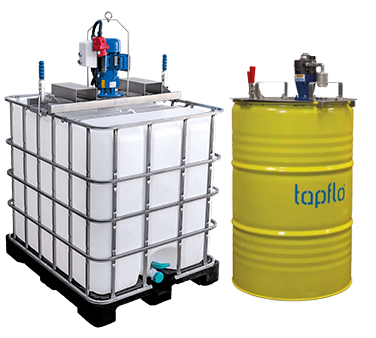
In the chemical industry, transferring product is about far more than simply moving fluid from point A to point B, it’s about ensuring safety, reliability, and operational control in often unforgiving conditions. Across many African operations, customers face the ongoing challenge of safely handling aggressive, corrosive, or hazardous chemicals while preventing leaks, operator exposure, and environmental contamination. At the same time, processes are rarely consistent; fluids can vary in viscosity, may contain solids, and are often handled in batch operations with fluctuating flow demands. Add high ambient temperatures, dusty environments, and unreliable utilities into the mix, and it becomes clear why conventional pumping solutions often fall short.
Advantages of AODD Pumps in Chemical Applications
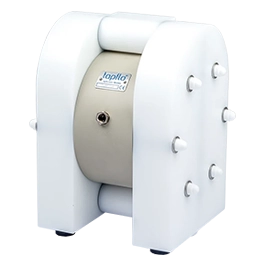
This is where Air Operated Double Diaphragm (AODD) pumps have proven to be a highly effective solution. Their seal-less design eliminates the need for mechanical seals, significantly reducing the risk of leaks and making them ideal for hazardous chemical applications. Because they are air-driven, AODD pumps are intrinsically safe and well-suited for explosive or high-risk environments. They can also run dry without damage, which is critical during tank emptying or intermittent processes. Their ability to handle a wide range of chemical types is enhanced by multiple material options, including PTFE, PVDF, polypropylene, and stainless steel. Combined with a simple, robust design and easy flow control via air pressure regulation, AODD pumps are particularly well suited to remote sites and harsh operating conditions.
Common Mistakes in the Use of AODD Pumps in Chemical Applications
However, despite their advantages, there are still common mistakes that can limit performance and reliability. Many operations select pumps based on upfront cost rather than chemical compatibility, which often leads to premature failure. Incorrect diaphragm or elastomer selection is another frequent issue, as is the assumption that all AODD pumps offer the same level of quality and performance. Oversizing pumps can result in unnecessary air consumption and inefficiency, while poor air quality—especially wet or contaminated air—can significantly reduce diaphragm life and overall reliability.

What to Evaluate Before Choosing a Pump for Chemical Duty
When selecting a pump for chemical applications, it is essential to take a more holistic approach. Factors such as chemical compatibility of wetted components, required flow rate and pressure, duty cycle, and ambient conditions should all be carefully evaluated. In addition, the availability and quality of compressed air, ease of maintenance, and access to local spares and technical support play a critical role in long-term success. Ultimately, focusing on total cost of ownership rather than just the initial purchase price will deliver far better operational value.
Emerging Trends Shaping Chemical Handling Across Africa
Looking ahead, several key trends are shaping chemical handling across Africa. There is a growing emphasis on safety, compliance, and environmental responsibility, alongside increasing demand for energy-efficient, low air consumption pump designs. Companies are also prioritising robust, easy-to-maintain equipment due to ongoing skills shortages, while placing greater value on application engineering support and chemical compatibility expertise. Standardisation of pump platforms is also gaining traction, helping to simplify maintenance and spare parts management across multiple sites.
Aligning Pump Model Choice with Application Requirements
For operations looking to improve safety, reliability, and efficiency, a high-quality AODD pump remains a proven and practical solution. Models such as the TR9, TR20, T50, and T100 offer a scalable range to suit varying flow rates and application demands, from small dosing and transfer duties to higher capacity chemical handling. Selecting the right model within this range ensures optimal performance, improved efficiency, and extended equipment life.
Contact us to identify the AODD pump best suited to your application