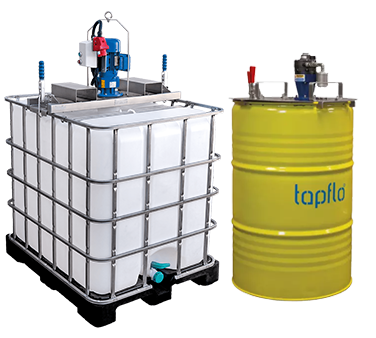
The ethanol production plant underwent two modernization phases aimed at streamlining production. In both stages, Tapflo supported the client in selecting and installing suitable pumps, addressing technical issues. Alcohol or ethyl alcohol, ethanol, spirit is a popular name for an organic compound from the alcohol group. It occurs as a colorless liquid with a pleasant odor. Alcohol is mainly produced from starchy and sugary raw materials in the fermentation process with the participation of yeast. It is used as a solvent and extraction agent for disinfection, preservation, and the production of alcoholic beverages. It serves as a raw material for the production of a wide range of chemicals.
CHALLENGES IN PHASE ONE
The challenges faced by equipment suppliers when selecting equipment are related to the ATEX zone in which most of the equipment is located, and the physical and chemical properties of the product (light volatility and flammability, potential problems with mechanical seals), as well as abrasion problems during the transport of the initial mixture (grain + water and acid). All of the listed problems were noted in the project of relocation and modernization of the ethyl alcohol factory produced from corn. The factory had old equipment, based mainly on screw pumps in the initial stage of production and centrifugal pumps in the distillation sector.
 equipment located in an ATEX zone light volatility and flammability of the product
abrasion of the initial mixture during transport
equipment located in an ATEX zone light volatility and flammability of the product
abrasion of the initial mixture during transport
TAPFLO’S ACTIVITIES IN PHASE ONE
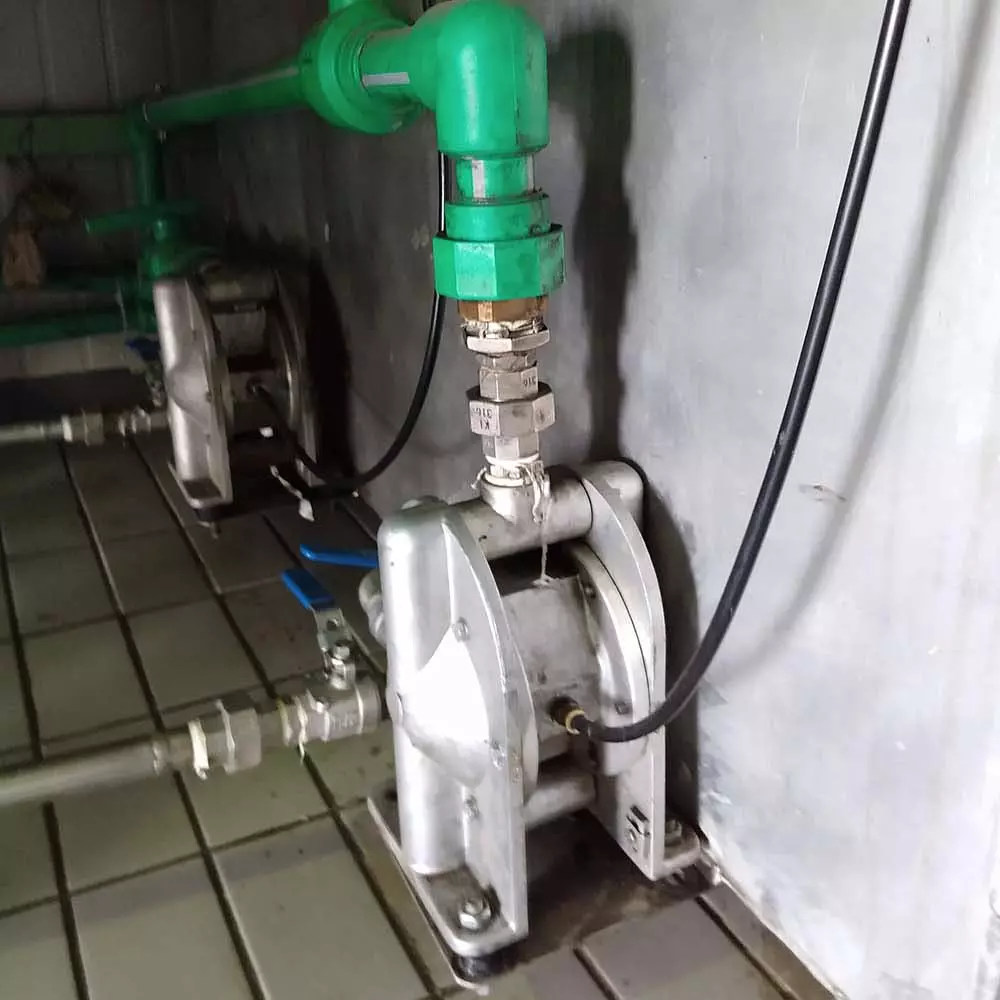
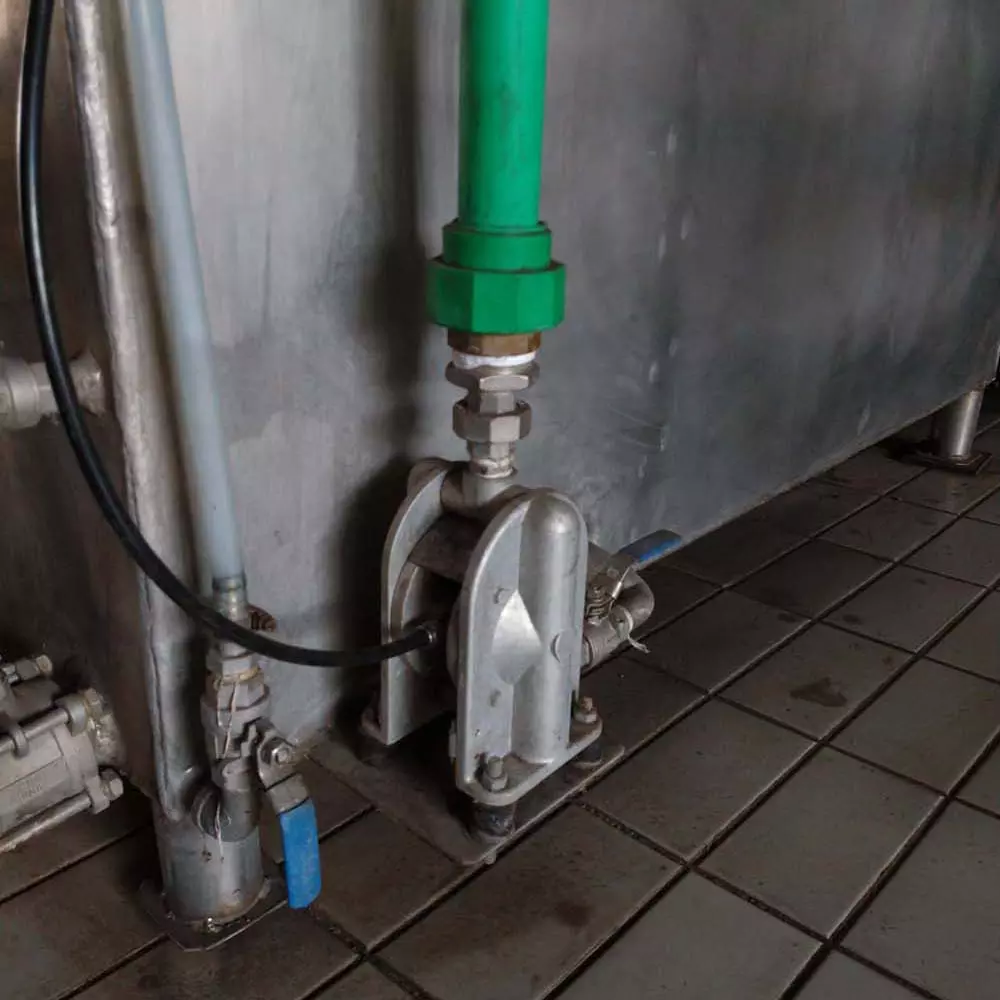
The factory motorer’s idea was to replace the pumps with pumps of the same type (re-purchase of centrifugal pumps). During the site visit, the Tapflo specialist realized that high flows and pressures were not required at most positions. As a result, the installation of air-operated diaphragm pumps was proposed – a more ergonomic and technically correct solution. The client trusted Tapflo as a reputable pump manufacturer and agreed to equip the production with AODD pumps.
RESULTS OF PHASE ONE
Switching from centrifugal pumps to AODD pumps brought the client numerous benefits, including:
Safer pump operation in hazardous zone due to pneumatic pump supply.
Pump tightness. Unlike centrifugal pumps, diaphragm pumps do not have rotating parts, so pump sealing is simpler and more durable.
Dry running capability. The factory itself is not technologically advanced, and production heavily relies on the operator. When using diaphragm pumps, the operator has a certain safety margin during which the pump can run dry without damage, which is not possible with centrifugal pumps.
Simple pump performance adjustment. It can be performed on-site using a needle valve, and there is no need for expensive frequency regulators.
Pump material and price. Pumps for most applications are made of aluminum, which significantly reduces the purchase price, and the investment pays for itself faster.
Pump duty swap capability. In agreement with the client, the pump sizes were selected in such a way that, if necessary (sudden failure, etc.), they could be easily replaced with a pump from another station, and the process would proceed without interruption.
Easy maintenance.
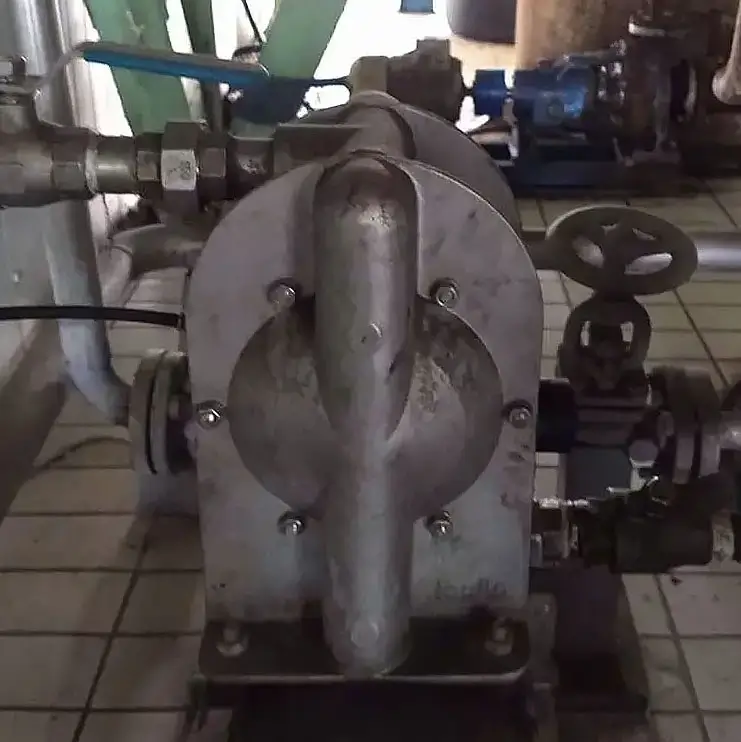
The pumps were installed and commissioned in 2016. Since then, they have been operating 24 hours a day, as the plant operates on 3 shifts, non-stop. After a month, problems appeared at one station where the pump was transporting hot alcohol from the distillation column. Tapflo service opened the pump and found unexpected wear on the suction and discharge manifold, and some wear was visible on the working chambers/pump body. These damages were related to the temperature of the alcohol, i.e. the effect of hot alcohol on the aluminum from which the pump body was made. In this situation, Tapflo replaced the pump with one made of AISI 316 stainless steel. Since the change, there have been no further problems at this station.
CHALLENGES IN PHASE TWO
In the second phase of the factory modernization, Tapflo motorers faced the challenge of transporting a mixture of shredded corn, water, and sulfuric acid. The liquid itself was problematic in many ways; the pieces of corn gave it abrasive properties. On the other hand, the acid content was the reason for chemical aggression.
Screw pumps were installed in this position a long time ago. During production, the operator often had to stop the pump due to stator damage, and there was also a lot of mess around the pump because the pump seal was constantly leaking. As a solution, a rotary lobe pump was used for some time, but this proved to be a bad solution because pieces of corn got past the rotor and disturbed the geometry of the pump parts, causing it to wear heavily and reduce efficiency.
TAPFLO’S ACTIVITIES IN PHASE TWO
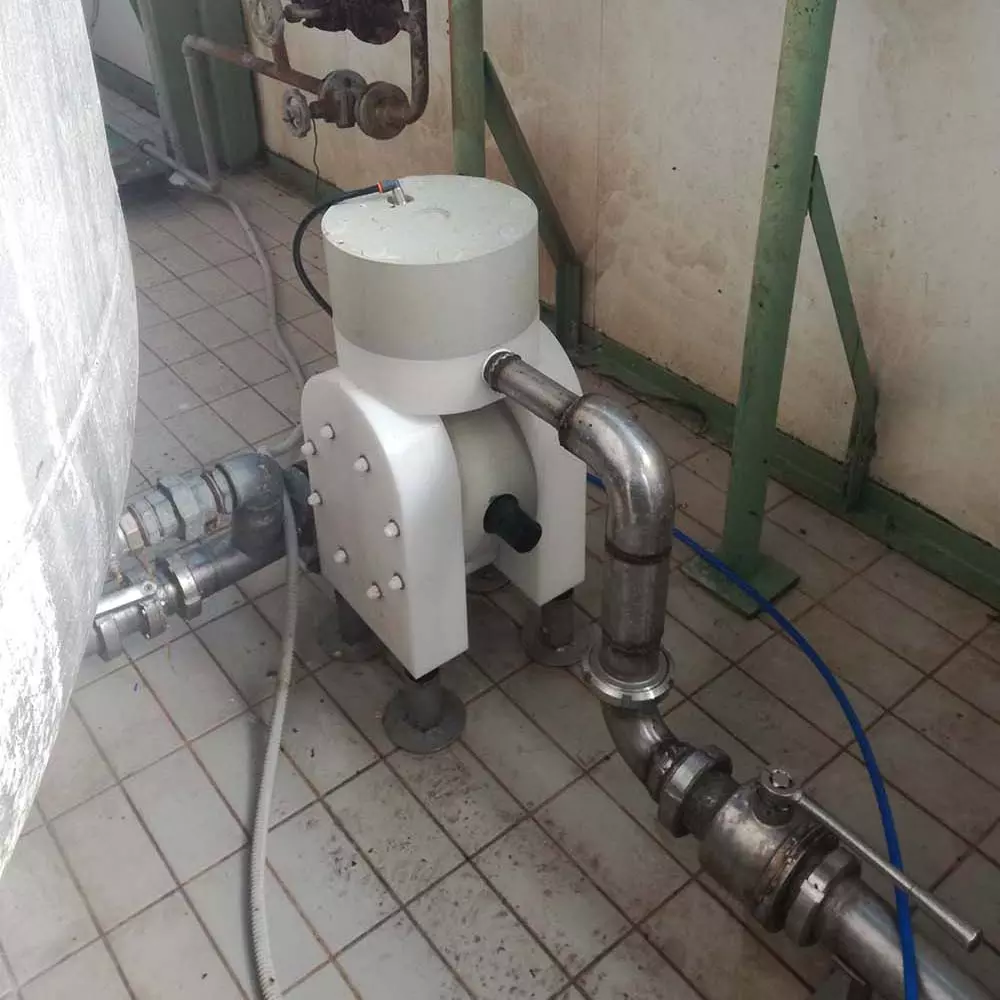
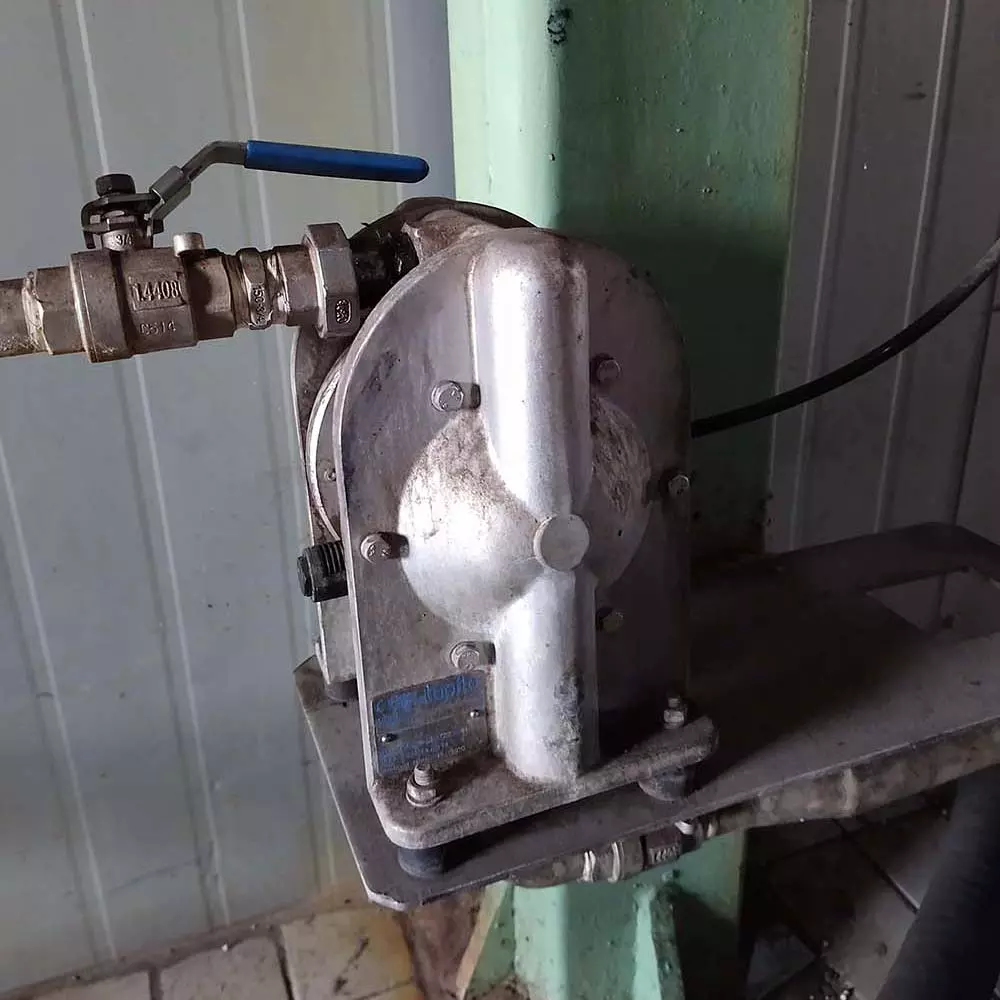
While looking for a solution to this problem, we presented the customer with the advantages of an AODD pump. However, this solution raised suspicions because the pulsating flow produced by the AODD pump could cause erroneous readings of the flow meter located on the discharge line, thus jeopardizing the process. Our motorers responded to this suggestion by proposing a TK series of AODD pumps with a built-in pulsation dampener.
RESULTS OF PHASE TWO
The client approved the solution and ordered the recommended pumps. Based on the collected process data and issues with the existing pumps, we carefully selected the materials (PE body, EPDM diaphragm and valves). The pump was installed and commissioned in 2018. After 2 months of operation, it was preventively opened to inspect the parts. It was found that the pump parts were within factory tolerances, and the pump was reassembled and put back into operation.
Looking for a pump for chemical applications? Check out our product portfolio